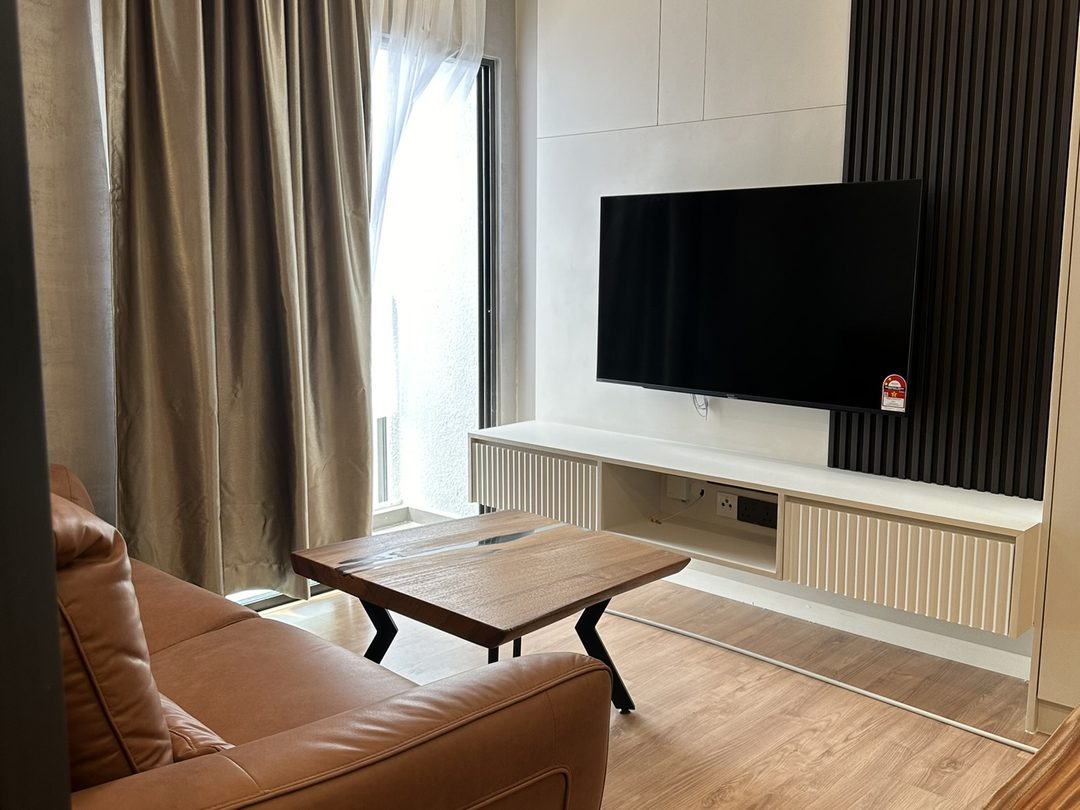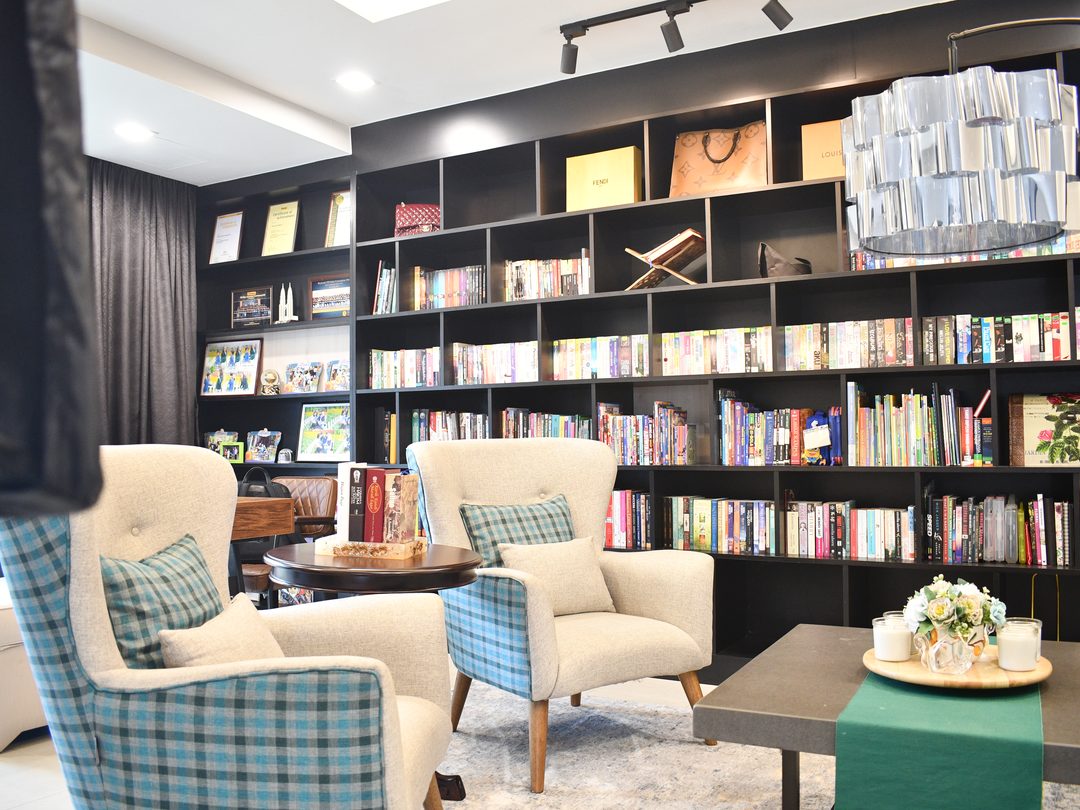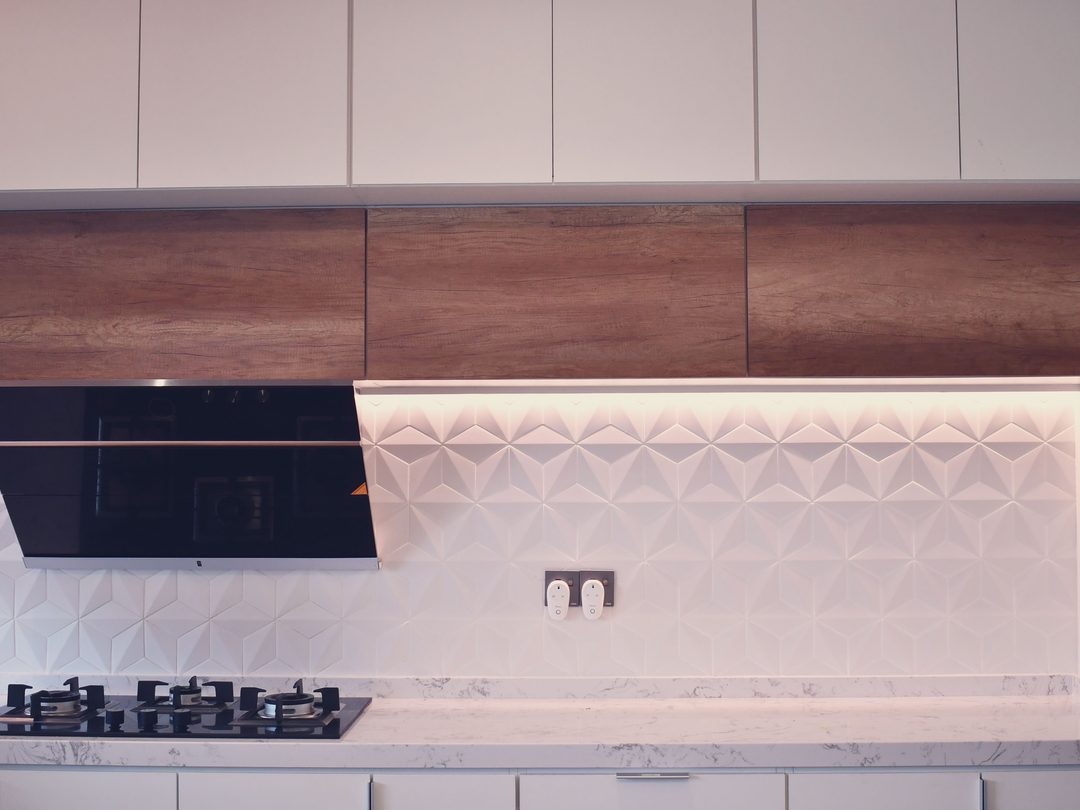

Most trend articles about Malaysian homes look inward, at what local paint brands and showrooms are pushing. This one looks outward. We went through what homeowners, designers and governments are doing in Europe, the US, Japan, Korea, China, Australia, Singapore and the Gulf in 2025 and 2026, from designer surveys and renovation spending studies to new building rules, to see what's actually changing and what's worth bringing home.
Two things stand out. The look of homes is converging around the world: warmer, more textured and more lived-in. And renovation itself is changing, as budgets tighten, money moves into the parts of a house you can't see, and governments start steering what gets built. The surprise is how much of it Malaysian homes already do.
For what's showing up in Malaysian renovation briefs specifically, see what Malaysian homeowners are actually choosing in 2026. This piece is the wider view.
Everywhere, cool grey is out and warm colour is in
The 2026 colour picks split two ways, and the split is telling. Pantone chose Cloud Dancer, a soft white, as a calm, blank-canvas choice. The paint brands went the other way, towards warm, grounded colour. Hover over or tap a brand to see its colour:
| Brand | Market | 2026 pick |
|---|---|---|
Pantone · 2026 Cloud Dancer PANTONE 11-4201 TCX · #F0EEE9 Approximate screen value from ColorXS and pantonecolors.net. Pantone doesn't publish one for free. Screens show colour differently. Check a physical sample before you decide. | Global | Cloud Dancer, a soft white |
Benjamin Moore · 2026 Silhouette AF-655 · #57504C Screen value from Benjamin Moore's website. Screens show colour differently. Check a physical sample before you decide. | US and Canada | Silhouette, an espresso brown |
Sherwin-Williams · 2026 Universal Khaki SW 6150 · #B8A992 Screen value from Sherwin-Williams' website. Screens show colour differently. Check a physical sample before you decide. | US | Universal Khaki, a warm neutral |
Dulux (AkzoNobel) · 2026 Mellow Flow #95A7B4 Slow Swing #2C3241 Free Groove #024A7F Screen values from Dulux's pages for Mellow Flow, Slow Swing and Free Groove. Screens show colour differently. Check a physical sample before you decide. | Global | Rhythm of Blues, a family of three blues |
Nippon Paint Malaysia · 2026 Tree House NP 8266 · #798472 Screen value from Nippon Paint Malaysia's website. Screens show colour differently. Check a physical sample before you decide. | Malaysia | Tree House, a deep grey-green |
Nippon Paint Singapore · 2026 Blue Planet NP PB 1506 D · #5071AA Screen value from Nippon Paint Singapore's website. Screens show colour differently. Check a physical sample before you decide. | Singapore | Blue Planet, a sky and ocean blue |
Designers agree. In 1stDibs' 2026 survey of 468 interior designers, chocolate brown was the top colour for the year at 33%, and burgundy jumped from 7% to 21%. Close to home, Nippon's Tree House also won the public vote for the most popular Raya 2026 colour. The common thread is calm, earthy colour and a clear move away from the cool grey and greige of the last ten years.
The list of what's going out is just as consistent across sources: cool grey and greige minimalism, stark all-white kitchens, high-contrast black and white, matching furniture sets, the single accent wall, and rooms designed to look good on social media rather than to live in. One note of caution: the design fairs have already moved on. At Milan Design Week in April 2026, bright, saturated colours were replacing beige and brown. Fair trends usually reach homes a year or two later, so treat them as a preview, not a brief. Our 2026 paint colours guide covers the local picks room by room.
Texture over flat paint, and furniture that lasts
The surface story is the same almost everywhere: a plain painted wall now reads as unfinished. Limewash, hand-trowelled plaster, timber slats, fluting with wider and deeper grooves, and dramatically veined stone are taking its place. Vintage has become the default rather than the exception: 85% of the designers in the 1stDibs survey source vintage pieces, the highest in five years. At Copenhagen's 3 Days of Design in June 2026, brands reissued classic designs specifically because they can be repaired, and one review summed up the show as "design built for the long term".
In a Malaysian home, humidity decides which of these travel well. Breathable mineral finishes such as limewash handle damp better than many paints. Porcelain and sintered stone slabs give the veined-stone look without the upkeep of real marble. Rattan, which made 1stDibs' list at 27%, is made in our region. Upholstered walls, bouclé and wallpapered ceilings, all popular abroad, belong in rooms that are air-conditioned most of the time; elsewhere, mould gets to them first. The same goes for raw timber slats in a bathroom or a wet kitchen.
Open plan, but with a back kitchen

Open-plan living isn't disappearing, but it's being divided up again. UK designers call it "broken plan": open space zoned with glass screens, half walls, shelving and changes in floor or ceiling level, so a kitchen that doubles as an office and a homework table doesn't swallow the whole house. In the US, the scullery, a working prep kitchen behind the show kitchen, is forecast to make a comeback. In Australia, new kitchens increasingly come with a butler's pantry fitted with its own sink, power and dishwasher.
Malaysian homes have done this for decades. The dry kitchen out front and the wet kitchen behind is exactly the layout the rest of the world is rediscovering, for the same reasons: cooking smells and mess stay out of the living space, and the room people actually sit in stays tidy. Zoning has one more benefit in our climate. A closed-off wet kitchen means the aircon only cools the rooms you're in.
Homes are being designed for three generations
This is the best-evidenced layout trend of the year. The American Institute of Architects' September 2026 survey found that space for several generations, a main bedroom on the ground floor and wider doorways topped homeowners' requests. In the US kitchen and bath industry, 80% of professionals say designing for ageing in place is already mainstream or becoming so. China is paying for it: since January 2025, ageing-friendly home products qualify for a 30% renovation subsidy, against 15% for ordinary renovation goods.
Malaysia is ageing too. More than 4 million Malaysians, about 12% of the population, are 60 or older. In November 2025, Monash University Malaysia retrofitted a Subang Jaya home with an accessible bathroom (anti-slip flooring, grab bars and an emergency call system), and in May 2026 the Malaysian Institute of Architects (PAM) made the case for senior-friendly design built on Malaysia's universal design standard, MS 1184. For families with elderly parents at home, or planning for it, the useful moves are a ground-floor bedroom with its own bathroom, a step-free shower, slip-resistant tiles, and wall reinforcement behind the tiles so grab bars can go in later without hacking.
Budgets are tightening, and the money is going behind the walls
In the US and UK, homeowners are being cautious: planned renovation budgets for 2026 are down by about a quarter in both countries. But the rooms people do renovate keep getting more expensive, with kitchens and bathrooms leading. The exact figures don't translate to Malaysia, where labour, materials and room sizes are very different. The pattern is familiar, though: fewer projects, done properly, with the kitchen and bathroom taking the biggest share. For what those rooms cost here, see what a kitchen renovation costs in Malaysia and what a bathroom renovation costs.
The more interesting change is where the money goes. In the same study, 62% of US renovators upgraded systems such as plumbing, electrical work, heating and cooling, almost as many as renovated a room. Spending on insulation rose 51%. People are spending less on what shows and more on what makes a house work. For a Malaysian home, the equivalents are rewiring, replumbing, waterproofing and better cooling. They don't photograph well, but they decide how the house holds up in ten years.
Korea shows where this goes when older homes change hands. In the first half of 2026, two-thirds of Seoul's apartment sales were of flats more than 20 years old, and buyers renovate them straight away. Korean suppliers now sell renovation in packages: insulated windows fitted in a day, and five-zone bundles covering the entrance, living room, kitchen, bedroom and bathroom. With so many ageing condos across the Klang Valley, buying an older unit and renovating it properly is an increasingly sensible route here too. Our condo renovation page covers what that involves.
Governments are now steering renovation
This is the genuinely new part of 2025 and 2026. Across the regions we looked at, governments are shaping how homes are built and renovated through rules, subsidies and labels:
| Where | What changed | What it means for homes |
|---|---|---|
| European Union | Renovation passports, due from May 2026 | A long-term upgrade plan for each home; new homes zero-emission by 2030 |
| Denmark | Limits on the carbon in building materials, from 2025 | Tighter each round, in 2027 and 2029 |
| England | Future Homes Standard, March 2026 | No gas boilers in new homes; rooftop solar required from 2028 |
| Japan | Energy standards compulsory from April 2025 | Every new home must meet them |
| China | Renovation subsidies of 15–30% | Highest for ageing-friendly and energy-efficient products |
| South Korea | Green renovation loan subsidy restarted in 2026 | A boom in window replacement |
| Malaysia | Solar ATAP from January 2026; a stricter aircon star label from 2026 | New rooftop solar terms; check the label year before you buy |
Malaysia's own changes are covered in more detail, with the RM200 NUR rebate on efficient aircons and fridges, in our smart home guide.
In the tropics, cooling is the real frontier
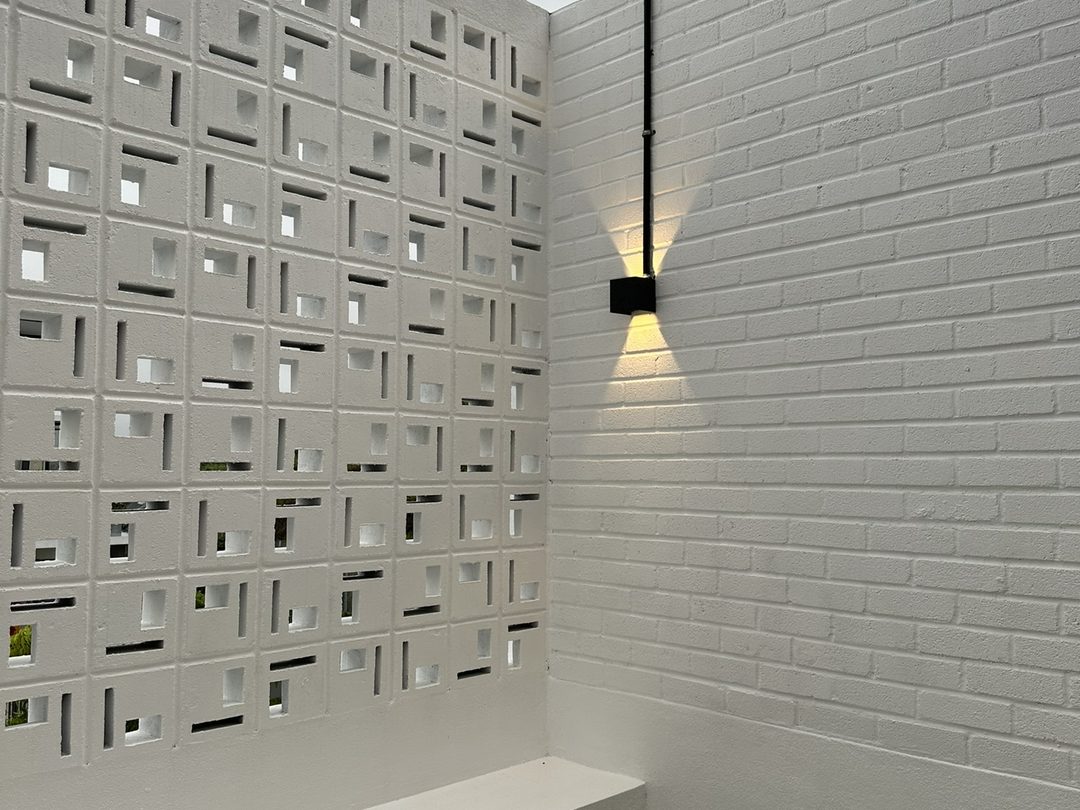
For Southeast Asia, the biggest home energy issue is cooling. The region's stock of air conditioners is expected to grow about ninefold between 2020 and 2040. Every hot-climate market we looked at falls back on the same toolkit to slow that down: shading, cross-ventilation, courtyards and airwells, perforated screens, and better insulation in walls, roofs and windows. In Saudi Arabia, the Diriyah developments have revived traditional Najdi courtyards for luxury villas.
Here, too, Malaysia has the answers on hand. Airwells in terrace houses, breeze-block screens and deep eaves are passive cooling in its oldest form, and StarProperty's 2026 trends list courtyards and airwells precisely because they cut reliance on the aircon. A renovation that keeps the airwell open, shades west-facing windows and lets air move through the house will cost less to cool for as long as you live in it.
Trends are a starting point, not a brief. Most of what looks new abroad this year either suits a humid Malaysian home or doesn't, and that matters more than whether it's on a forecast. Keep fixed work such as kitchens, built-ins and flooring timeless, and put the trend into things that are easy to change: paint, fabric, lighting and loose furniture.
Put together, 2026's direction is less about any single look and more about what a renovation is for: warmer rooms built to last, homes that work for the whole family, and money spent where it keeps the house cool, dry and sound. If you'd like help working out which of these fit your home, our interior design service starts with how you live, then brings in the materials and layouts that suit it.